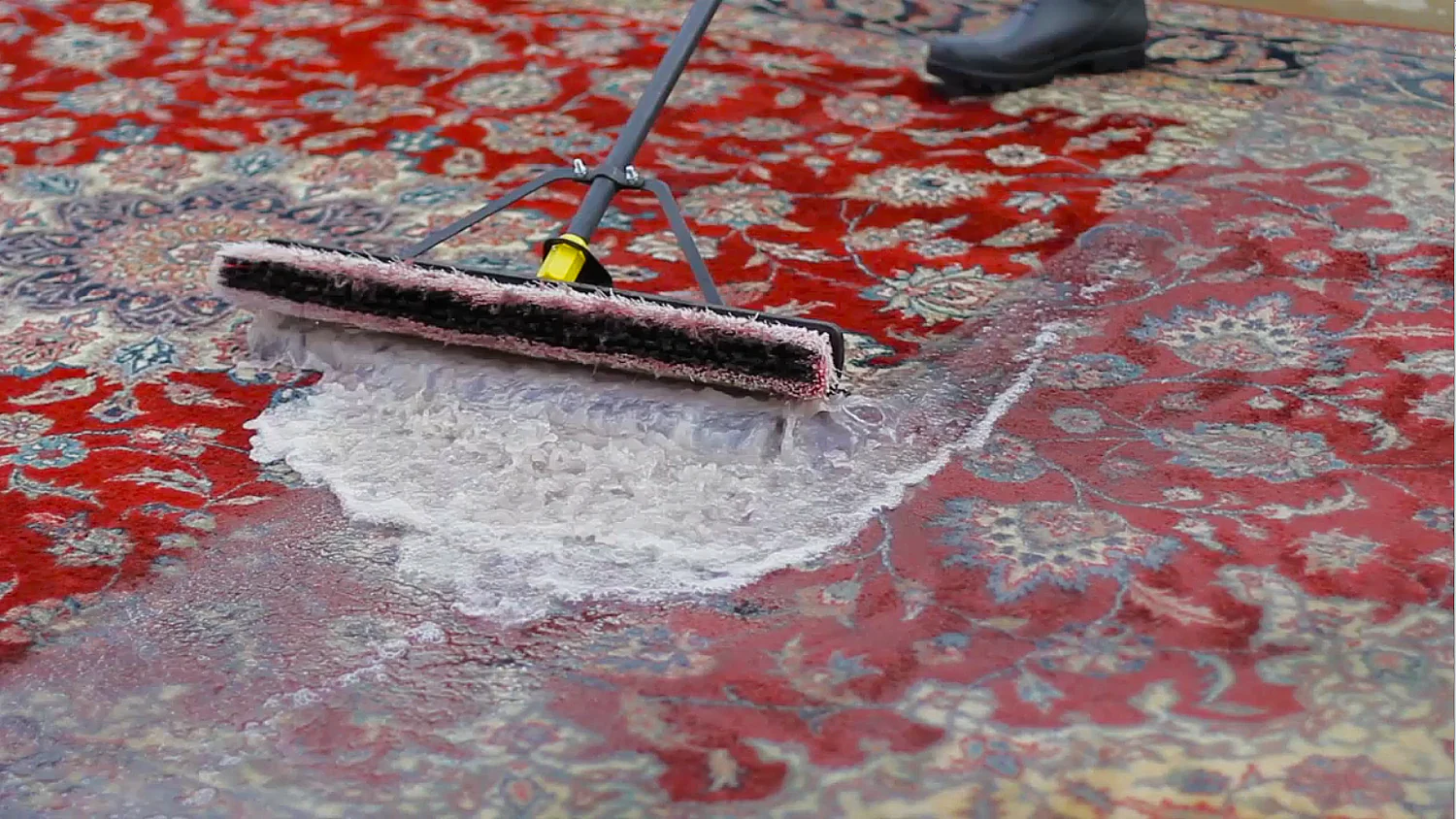
How to Clean Persian Carpets and Rugs
Why Cleaning Your Persian Rug the Right Way Matters
You’ve invested in a beautiful carpet Persian rug – authentic, hand-knotted, and built to last for generations. But one wrong cleaning move can ruin it forever.
Here’s the truth: Most carpet cleaners, steam machines, and DIY YouTube hacks will destroy Persian rugs. The wool can shrink. The colours can bleed. Silk fibres can snap. And that “deep clean” from a high-street machine? It leaves soap residue that actually attracts more dirt.
But don’t worry. At Carpet Persian Rug , we’ve been helping UK owners clean their Persian rugs for sale (and vintage treasures) for over a decade. In this guide, you’ll learn:
-
✅ How to clean Persian carpets and rugs safely – step by step
-
✅ Can you clean a Persian rug with a carpet cleaner? (Spoiler: usually no)
-
✅ What’s the best carpet cleaner for Persian rugs – and what to avoid
-
✅ When to call a professional vs. DIY
-
✅ How to keep your rug looking new for 50+ years
And when you’re ready to buy your next rug – or need a specialist cleaner – we’re here. Visit our London showroom or shop Persian rugs for sale online.
How to Clean Persian Carpets and Rugs
Can You Clean a Persian Rug with a Carpet Cleaner?
This is the #1 question we hear. And the answer depends on what type of Persian rug you have.
Quick Answer:
| Rug Type | Can You Use a Carpet Cleaner? |
|---|---|
| Wool Persian rug | ⚠️ Only dry powder cleaners. Never steam or wet machines. |
| Silk Persian rug | ❌ Absolutely not. Professional hand-wash only. |
| Persian style rug (machine-made) | ✅ Yes – but check the label first. |
| Vintage Persian rug (wool) | ⚠️ Only dry cleaning powders. No water immersion. |
Why Most Carpet Cleaners Are Dangerous for Persian Rugs
Standard carpet cleaners (like Rug Doctor, Vax, or Bissell) use:
-
Hot water – shrinks wool, bleeds natural dyes
-
Strong suction – pulls knots loose, creates bald spots
-
Harsh detergents – strips lanolin from wool, leaving it brittle
-
Rotating brushes – shreds silk fibres and antique pile
The only exception: Dry powder carpet cleaners (e.g., Capture, Host, or dry foam). These use minimal moisture and no brushing. We’ll cover those below.
But for any authentic Persian rug for sale that you’ve bought from us – or anywhere else – assume that wet carpet cleaners are off limits.
Need professional cleaning advice? Contact us →
Best Carpet Cleaner for Persian Rugs – Our Top 3 Picks
If you have a wool Persian rug and want to clean it yourself, use a dry powder cleaner. Here are the best carpet cleaners for Persian rugs available in the UK.
1. Capture Carpet & Rug Dry Cleaner
| Feature | Detail |
|---|---|
| Best for | Wool Persian rugs, heavy traffic |
| How it works | Sprinkle powder, brush in gently, vacuum after 30 minutes |
| Water used | Almost none |
| UK availability | Amazon, specialist cleaning suppliers |
| Price | £25–40 per tub |
Pros: Safe for colours, no residue, lifts deep dirt.
Cons: Requires a good vacuum (cylinder vacuums work best).
2. Host Dry Extraction Cleaner
| Feature | Detail |
|---|---|
| Best for | Large Persian carpets, commercial use |
| How it works | Absorbent sponge + powder, machine or hand application |
| Water used | Minimal |
| UK availability | Professional cleaning supply shops |
| Price | £50–80 per bag |
Pros: Professional grade, excellent for big Persian rugs for sale (8′ x 10′ and up).
Cons: More expensive, harder to find.
3. Vax Platinum Dry Carpet Cleaner Powder
| Feature | Detail |
|---|---|
| Best for | Budget-friendly, small Persian rugs |
| How it works | Sprinkle, wait 15 minutes, vacuum |
| Water used | None |
| UK availability | Argos, Tesco, Amazon |
| Price | £12–20 per tub |
Pros: Cheap, easy to find.
Cons: Less effective on deep dirt or antique rugs.
What About Steam Cleaners?
Never use a steam cleaner on a genuine carpet Persian rug. Steam penetrates the foundation, causes shrinkage, and can rot cotton warps over time.
What About Woolite or Rug Shampoo?
No. These are for synthetic carpets, not hand-knotted Persian rugs and carpets.
Buy a Persian rug from us – and get a free dry cleaning sample →
How to Clean Persian Carpets and Rugs – Step-by-Step DIY Guide
Follow these steps for regular maintenance and spot cleaning. For deep cleaning (every 3–5 years), call a specialist.
What You’ll Need:
-
Vacuum cleaner with suction-only attachment (no beater bar)
-
Dry powder carpet cleaner (Capture or Host recommended)
-
Soft-bristled brush (nail brush or horsehair brush)
-
Clean white cloths (no prints or dyes)
-
Cold water (for spot cleaning only)
-
Mild dish soap (a few drops – no bleach, no enzymes)
How to Clean Persian Carpets and Rugs
Step 1: Vacuum Both Sides – The Right Way
Frequency: Weekly for high-traffic areas, monthly for low-traffic.
How to do it:
-
Remove the beater bar from your vacuum (or use a suction-only head)
-
Vacuum the front of the rug in the direction of the pile (run your hand over it – the smooth direction)
-
Flip the rug over. Vacuum the back gently. This pushes dirt out of the knots.
-
Never use a rotating brush on fringe. It tangles and tears.
Pro tip: If your rug is too big to flip, roll back half at a time and vacuum the underside in sections.
Step 2: Dry Powder Cleaning (Every 6–12 Months)
When to do this: When the rug looks dull or feels gritty despite vacuuming.
How to do it:
-
Vacuum thoroughly first.
-
Sprinkle dry powder cleaner evenly over the rug.
-
Gently brush the powder into the pile using a soft brush. Work in small circles.
-
Wait 20–30 minutes (or as directed on the product).
-
Vacuum again – slowly – until no powder remains.
Warning: Do not walk on the rug while the powder is sitting. It can grind into the fibres.
Step 3: Spot Cleaning Spills – Act Fast
For liquid spills (wine, coffee, juice, pet urine):
-
Blot immediately with a clean white cloth. Do not rub. Rubbing spreads the stain and damages knots.
-
Mix a tiny drop of mild dish soap with cold water.
-
Dab the stain from the outside inward using a cloth dampened with the soapy water.
-
Blot with a dry cloth. Repeat until the stain lifts.
-
Rinse by dabbing with a cloth dampened with plain cold water.
-
Blot dry. Prop the rug up slightly so air circulates underneath.
For solid spills (food, mud, wax):
-
Let mud dry completely. Then vacuum or gently scrape with a dull knife.
-
For wax: Place a brown paper bag over the wax. Iron on low heat. The wax melts into the paper. Do not scrape.
Never use:
-
Bleach or stain removers (Vanish, Dr. Beckmann, etc.)
-
Vinegar or baking soda (can change dye colours)
-
Hairdryers or heaters (heat sets stains)
Step 4: Professional Deep Cleaning (Every 3–5 Years)
Even with perfect care, dirt works its way down to the foundation of your rug. Eventually, you need a specialist.
Find a cleaner who:
-
Hand-washes rugs in a flat, screened trough (not a machine)
-
Uses Persian-specific soaps (neutral pH, no enzymes)
-
Dries rugs flat indoors (never hung or machine spun)
-
Specialises in orientalist rug – Persian carpets London (like us – we can recommend trusted partners)
Avoid any cleaner who:
-
Uses a machine carpet cleaner (even truck-mounted)
-
Offers “same day” service (proper drying takes days)
-
Quotes a flat rate without seeing the rug
How to Clean Persian Carpets and Rugs
Our recommendation: Contact us – we work with two hand-washing specialists in London who clean our own Persian rugs for sale before they go to customers.
Book a professional clean through us →
What NOT to Do – Common Mistakes That Ruin Persian Rugs
We’ve seen beautiful carpet Persian rug investments destroyed by well-meaning owners. Avoid these at all costs.
| Mistake | Why It’s Bad |
|---|---|
| Using a steam cleaner | Shrinks wool, bleeds dyes, rots cotton foundation |
| Rubbing a stain | Spreads the stain and loosens knots permanently |
| Bleach or vinegar | Strips colour, dissolves silk fibres |
| Machine washing or dry cleaning | Tumbles the rug – knots loosen, fringes tangle |
| Hanging a wet rug | Gravity pulls water down, stretching and distorting the shape |
| Putting a rug in direct sun to dry | UV fades colours unevenly; heat can shrink wool |
| Using a beater bar vacuum | Pulls up the pile, creates bald spots over time |
When in doubt: Do nothing. A dirty rug is better than a ruined rug. Call a professional.
Buy a Persian rug from us – we include a free care card with every purchase →
How to Clean Specific Types of Persian Rugs
Different rugs need different care. Here’s a quick guide.
Wool Persian Rugs (Most Common)
| Cleaning Method | Safe? |
|---|---|
| Dry powder cleaner | ✅ Yes |
| Wet carpet cleaner (machine) | ❌ No |
| Professional hand-wash | ✅ Yes (every 3–5 years) |
| Spot clean with cold water + mild soap | ✅ Yes |
Best for: Family homes, living rooms, hallways.
Silk Persian Rugs (Luxury)
| Cleaning Method | Safe? |
|---|---|
| Dry powder cleaner | ⚠️ Only if very gentle – test a corner first |
| Wet carpet cleaner (machine) | ❌ Absolutely not |
| Professional hand-wash | ✅ Yes (only by silk specialists) |
| Spot clean with cold water only | ⚠️ Dab gently – no soap |
Best for: Formal rooms, low-traffic areas, walls as art.
Note on Persian silk rugs for sale UK: Silk is delicate. Most damage happens during cleaning. We recommend professional hand-washing every 2–3 years – and never attempt DIY wet cleaning.

Carpet Persian Rug
Vintage Persian Rugs (Fragile)
| Cleaning Method | Safe? |
|---|---|
| Dry powder cleaner | ⚠️ Test first – old dyes can still run |
| Wet carpet cleaner (machine) | ❌ No – vintage wool is weaker |
| Professional hand-wash | ✅ Yes (choose an antique specialist) |
| Spot clean | ⚠️ Blot only – no scrubbing |
Best for: Collectors, low-traffic areas, investment pieces.
Persian Style Rugs (Machine-Made)
| Cleaning Method | Safe? |
|---|---|
| Dry powder cleaner | ✅ Yes |
| Wet carpet cleaner (machine) | ✅ Yes (follow manufacturer label) |
| Professional hand-wash | ❌ Not worth the cost |
| Spot clean | ✅ Yes – more forgiving than authentic |
Best for: Budget-friendly homes, rentals, high-traffic.
Not sure what type of Persian rug for sale you own? Send us photos of the back – we’ll identify it for free.
How Often Should You Clean Your Persian Rug?
| Task | Frequency |
|---|---|
| Vacuum (front) | Weekly (high traffic), monthly (low traffic) |
| Vacuum (back) | Monthly |
| Dry powder clean | Every 6–12 months |
| Spot clean spills | Immediately |
| Professional hand-wash | Every 3–5 years (wool), every 2–3 years (silk) |
| Rotate rug | Every 6 months (to even out wear and sun exposure) |
| Check for moths | Monthly (spring and autumn) |
Pro tip: Place a rug pad underneath. It reduces slippage, absorbs vacuum pressure, and keeps dirt from migrating through to your floor.
How to Store Persian Rugs Long-Term
If you’re rotating rugs seasonally or moving house, store them properly.
Good Storage Method:
-
Clean first – Have the rug professionally cleaned and dried completely. Dirt and moisture attract moths and mould.
-
Roll, don’t fold – Folding creates permanent creases. Roll with the pile facing inward.
-
Wrap in cotton or muslin – Never plastic. Plastic traps humidity and causes mildew.
-
Store flat, off the floor – On a pallet or shelf. Avoid basements (damp) and attics (hot).
-
Check every 6 months – Look for moths, musty smells, or discolouration.
What Not to Do:
-
❌ Don’t use mothballs (toxic, and residue damages wool)
-
❌ Don’t store in plastic bags or vacuum bags
-
❌ Don’t place heavy items on top of the rolled rug
Signs Your Persian Rug Needs Professional Help
DIY cleaning is great for maintenance. But some problems need a specialist.
Call a professional if you see:
-
🟡 Bleeding colours – Dyes are running into each other or onto your floor
-
🟠 Moth holes – Small bald patches, webbing, or live moths
-
🔴 Mildew or musty smell – Wet rug left too long, usually from flooding or steam cleaning
-
🟤 Pet urine stains – Urine crystals damage wool permanently over time
-
⚫ Heavy soiling – Years of ground-in dirt that vacuuming won’t lift
We can recommend trusted hand-washing specialists in London. Contact us for a referral →
Frequently Asked Questions About Cleaning Persian Rugs
Can I use baking soda to clean a Persian rug?
No. Baking soda is alkaline and can change the pH of wool, making it brittle. It can also leave a white residue that’s hard to vacuum out of hand-knotted rugs.
Can I use vinegar and water on a Persian rug?
No. Vinegar is acidic. It can strip natural dyes, especially from vintage or antique rugs.
How do I get pet hair off a Persian rug?
Use a rubber squeegee or a lint roller. A vacuum with a beater bar will pull up the pile over time. For silk rugs, use a sticky roller only – never a vacuum.
My rug smells musty after cleaning. What went wrong?
The rug didn’t dry fast enough. Wet wool develops a damp, barnyard smell. You need to dry it completely within 24–48 hours with fans and dehumidifiers. If the smell persists, call a professional.
Can I clean my Persian rug outside?
No. Sun fades colours unevenly. Wind blows in dirt. And leaving a wet rug outside invites birds, insects, and pollen. Clean indoors, dry indoors.
What’s the best carpet cleaner for Persian rugs with pet stains?
For fresh stains: Blot, then use an enzyme cleaner only on the stain (test a hidden corner first). For old stains: Call a professional. Pet urine crystals require soaking – which you cannot do at home safely.
More cleaning questions? Ask us directly →
Clean Rugs Last Longer – But Buying Right Matters First
Learning how to clean Persian carpets and rugs is essential. But it starts with buying a quality rug that’s worth cleaning.
At Carpet Persian Rug , every carpet Persian rug we sell comes with:
-
✅ Free printed cleaning guide
-
✅ Free lifetime advice via email or phone
-
✅ Access to our trusted London hand-washing partners
-
✅ 14-day returns if you change your mind
You don’t have to be a cleaning expert. You just have to buy from experts.